
Programs for Organizations
Serving Older Adults
Thoughtful, engaging programing designed to support mental & physical well-being in later life
Later Life Integrative Care offers educational workshops, chair yoga, and mindfulness programming for organizations that serve older adults, caregivers, and the professionals who support them.
Programs are available to organizations in the Dallas-Fort Worth Metroplex, with virtual options available across Texas, depending on the topic and audience. Programs combine practical information with opportunities for reflection, discussion, and skill-building. Depending on the topic and setting, they can be offered as one-time presentations or adapted into a multi-session series.
Who these programs are for
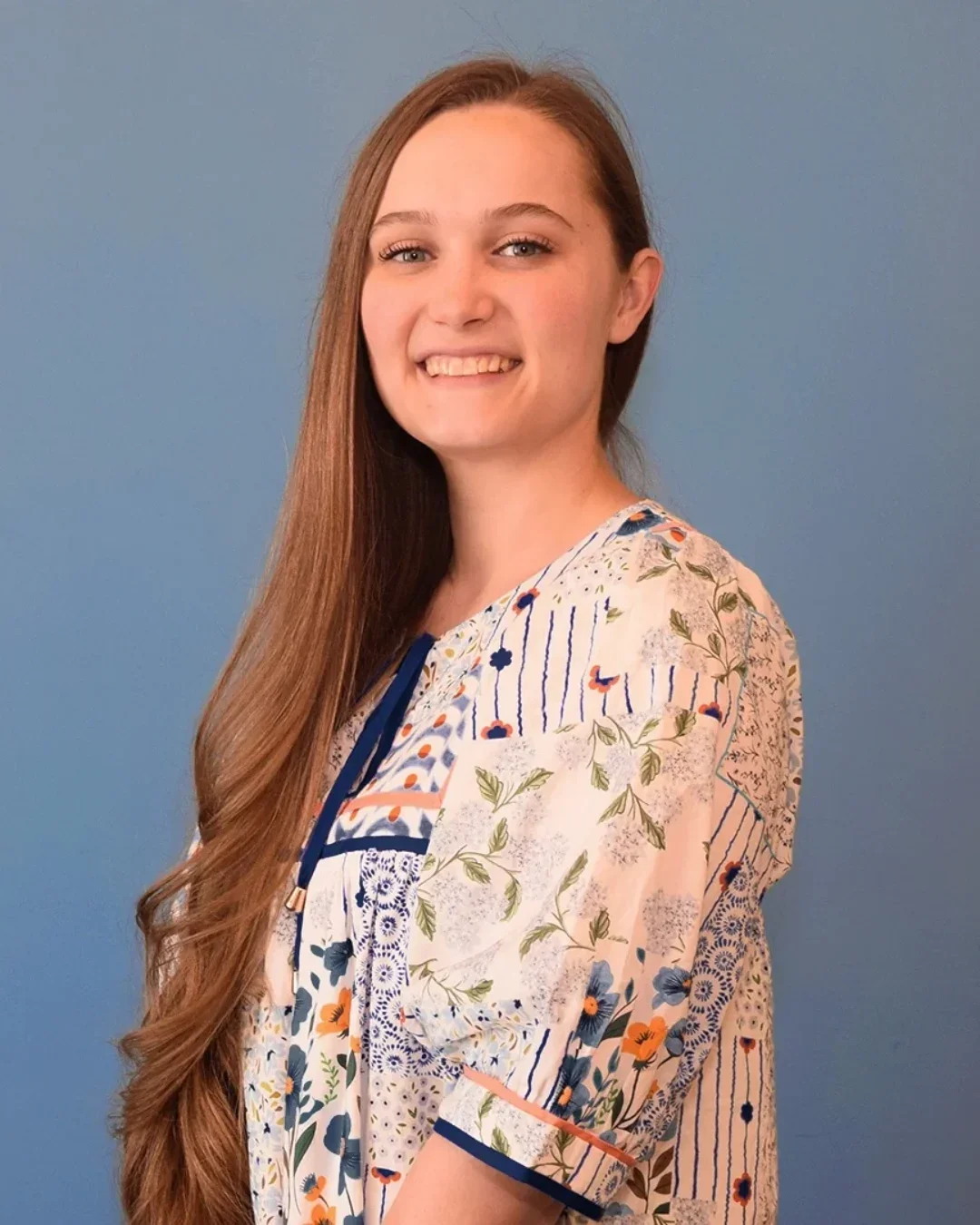
Programs can be adapted for senior living and retirement communities, aging and caregiver organizations, healthcare and wellness programs, libraries, faith communities, recreation and community programs, and professional groups serving older adults and caregivers.
Depending on the program, the audience may include older adults and seniors, family caregivers, or professionals who work with these populations.
If you're unsure whether a program would fit your organization or audience, I'm happy to talk through what you're looking for.
Educational workshops for later life well-being
Later-life well-being is shaped by more than any single aspect of life. These interactive workshops explore the psychological, social, and practical factors that can affect older adults and caregivers, with an emphasis on useful information participants can apply to their own lives.
NOTE: These educational workshop outlines are proposed and can be refined in consultation with your organization
Mental Health in Retirement

Retirement is often approached as a financial milestone, but financial preparation is only one part of adjusting to life after work. Leaving the workforce can also change how we structure our days, maintain relationships, experience purpose, and understand our identities.
This interactive workshop explores the psychological and social dimensions of retirement that may receive less attention during traditional retirement planning.
Participants consider how changes in routine, identity, health, relationships, and expectations can influence emotional well-being, along with practical ways to prepare for or navigate these transitions.
-
Adults approaching retirement, recently retired individuals, and people adjusting to retirement, as well as organizations offering retirement-preparation or aging-well programming.
-
Approximately 60–90 minutes, incorporating education, discussion, and guided reflection.
-
Changes in daily structure, routine, and social interaction
Identity and purpose beyond professional roles
Relationships, family dynamics, and changing expectations
Social connection and community engagement
The two-way relationship between financial and emotional well-being: how money affects how we feel, and how our emotions influence financial decisions and behaviors
The emotional impact of unexpected or health-related retirement
Developing a personally meaningful vision for retirement
-
A broader understanding of the psychological and social dimensions of retirement
Greater awareness of factors that may influence their emotional well-being during this transition
Reflection questions and practical strategies for approaching retirement with greater intention
Self-Compassion for Caregivers

Caregiving can involve difficult emotions, competing responsibilities, and situations where there is no clear or ideal solution. How we respond to ourselves during these experiences can influence how we navigate stress, recognize our limits, and advocate for our own needs alongside those of the people we care for.
This interactive workshop introduces self-compassion as a practical approach to navigating the emotional and relational complexities of caregiving.
Drawing on the distinction between tender and fierce self-compassion, participants explore how self-compassion can involve both responding to suffering with kindness and taking action to protect well-being, establish boundaries, and address difficult circumstances.
-
Family caregivers supporting a spouse, parent, grandparent, relative, or another important person; caregiver-support programs, senior living communities, healthcare organizations, and aging-service programs.
-
Approximately 60–90 minutes, combining education, guided reflection, discussion, and brief experiential exercises.
-
Self-compassion versus self-esteem
The psychological benefits of self-compassionThe three core components: self-kindness, common humanity, and mindfulness
Tender versus fierce self-compassion
Making room for complicated caregiving emotions
Responding to personal limits with greater understanding
Distinguishing what can be changed from what must be navigated
Advocating for ourselves and the individuals we care for
Brief mindfulness and self-compassion practices
-
An understanding of self-compassion, how it differs from self-esteem, and its potential benefits
Familiarity with the core components and tender versus fierce approaches
Strategies for responding to difficult emotions and limitations
A framework for balancing acceptance with action, boundaries, and advocacy
Brief practices to try in everyday caregiving situations
Coping With Chronic Pain & Chronic Illness

Living with chronic pain or illness can affect far more than physical symptoms. Health changes may influence daily routines, relationships, finances, access to care, independence, and the ways we participate in the world. These changes can affect emotional well-being, while stress, attention, and nervous-system processes may also influence how symptoms are experienced.
This interactive workshop explores the relationships among physical health, psychological well-being, and the environments in which we live. Participants are introduced to relevant mind-body concepts alongside practical approaches involving mindfulness, acceptance, self-compassion, and self-advocacy.
The emphasis is on expanding the ways people can respond to difficult experiences, without minimizing physical symptoms or suggesting that chronic illness can be resolved through psychological strategies alone
-
Adults living with chronic pain, chronic illness, disability, or ongoing health changes; senior communities, patient-support programs, healthcare organizations, wellness programs, and community groups.
-
Approximately 60–90 minutes, combining education, guided reflection, discussion, and optional experiential practices
-
The emotional impact of ongoing symptoms, functional changes, and uncertainty
How chronic illness can affect environments, relationships, finances, social support, and access to care
Mind-body feedback loops, central sensitization, and neuroplastic mechanisms involved in some persistent symptoms
Mindfulness as a way of changing our relationship with pain
Balancing acceptance with change where possible
Tender self-compassion: kindness and acceptance
Fierce self-compassion: advocacy, boundaries, and addressing unmet needs
Additional resources and strategies tailored to the audience
-
A broader understanding of psychological, social, and practical effects of chronic illness
An introduction to how nervous-system processes, stress, and attention can interact with some symptoms
Mindfulness and self-compassion strategies
A framework for acceptance versus change and advocacy
Ideas for resources, accommodations, and supportive strategies
Mindfulness & chair yoga for senior citizens
Yoga and mindfulness can be adapted for different bodies, abilities, experience levels, and settings. These programs introduce accessible ways to use movement, breath, and attention to support physical and emotional well-being.
Chair Yoga for Older Adults & Seniors
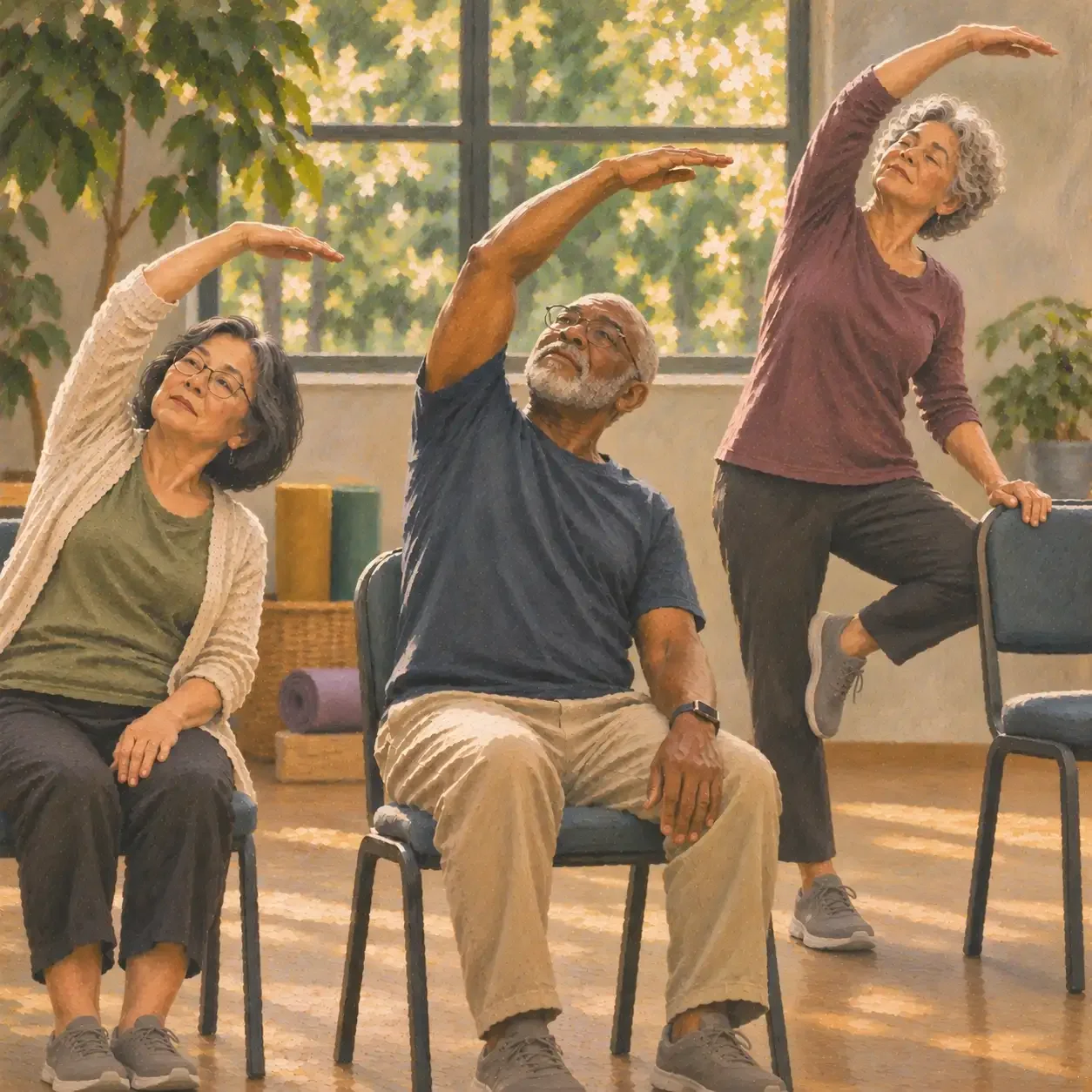
Chair yoga offers an adaptable way to explore movement, balance, mobility, breathing, and relaxation without requiring participants to get down to the floor or keep up with a traditional studio-style yoga class.
Classes can be adapted around the abilities, experience levels, and needs of the group, with seated and standing options available where appropriate.
The goal is to provide an approachable movement experience that allows participants to work within their own abilities rather than expecting everyone to practice in the same way.
-
Senior living communities, recreation and community programs, aging-service organizations, private senior groups, and other organizations looking for accessible movement programming.
-
Classes are typically 30–60 minutes with options for one-time or recurring classes. Classes are available in person in DFW, with virtual options available everywhere else.
-
Gentle seated and/or standing movement
Mobility and flexibility exercises • Balance and stability work where appropriate
Breathing practices
Brief mindfulness, relaxation, or meditation
Modifications for different abilities
Mindfulness 101 Workshop Series
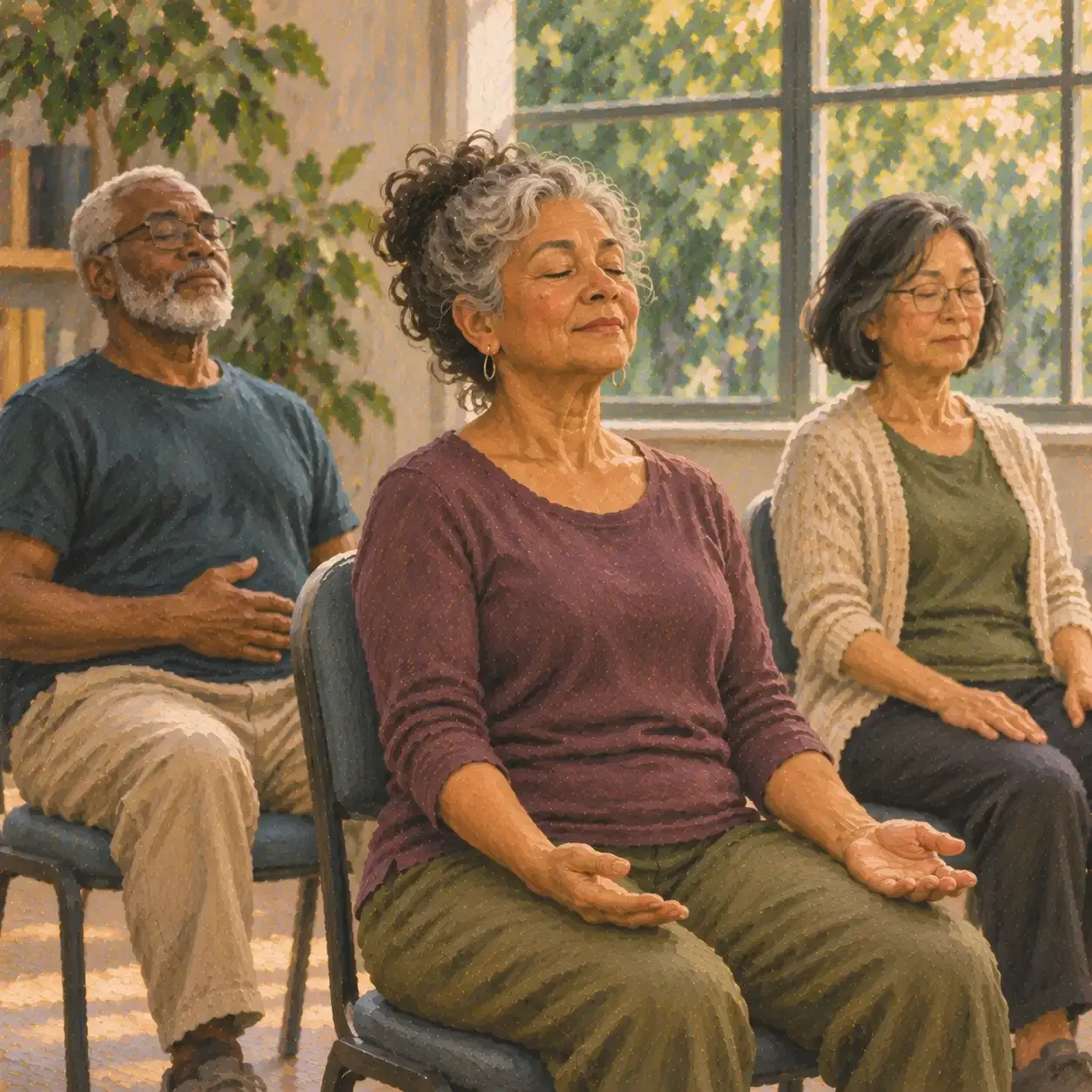
Mindfulness can be useful without requiring participants to clear their minds, sit silently for long periods, or already know how to meditate.
Mindfulness 101 is an interactive four-part workshop series designed to give older adults a practical foundation in mindfulness and meditation. Participants move step-by-step from understanding what mindfulness is and why it can be helpful to experimenting with different practices and developing an approach that works for them.
The series is typically completed over 4–8 weeks. Each workshop builds on the previous session and combines education, discussion, guided practice, and opportunities to apply mindfulness between meetings.
-
How stress can affect physical and emotional well-being
The brain’s tendency to focus on threats and negative information
Neuroplasticity and repeated practice shaping attention
Three foundational mindfulness skills
-
Common concerns and misconceptions
Different ways mindfulness can be practiced
Awareness during ordinary activities
-
Different categories of meditation
Grounding practices
Insight-oriented practices
Guided opportunities to experience techniques
-
Tailoring practice to preferences
Making mindfulness a habit
Choosing practices based on goals and needs
Optional group-selected mindfulness or yoga philosophy topic
-
Senior communities, organizations serving seniors, and private groups of individuals. The interactive format works best with a minimum 3–5 participants.
Programs designed around your organization
Looking for something different?
Not every organization, audience, or event needs the same program. Workshop length, format, examples, activities, and emphasis can be adapted based on who you serve and what you hope participants will take away.
If you're interested in a topic related to later-life well-being, caregiving, mindfulness, or accessible movement that isn't listed above, you're welcome to reach out. If the topic fits within my experience and scope, we can discuss whether an existing program can be adapted or whether a customized program would be appropriate.
Programs may be available as one-time presentations, interactive workshops, multi-session series, or recurring wellness programming depending on the topic.
About Haiden
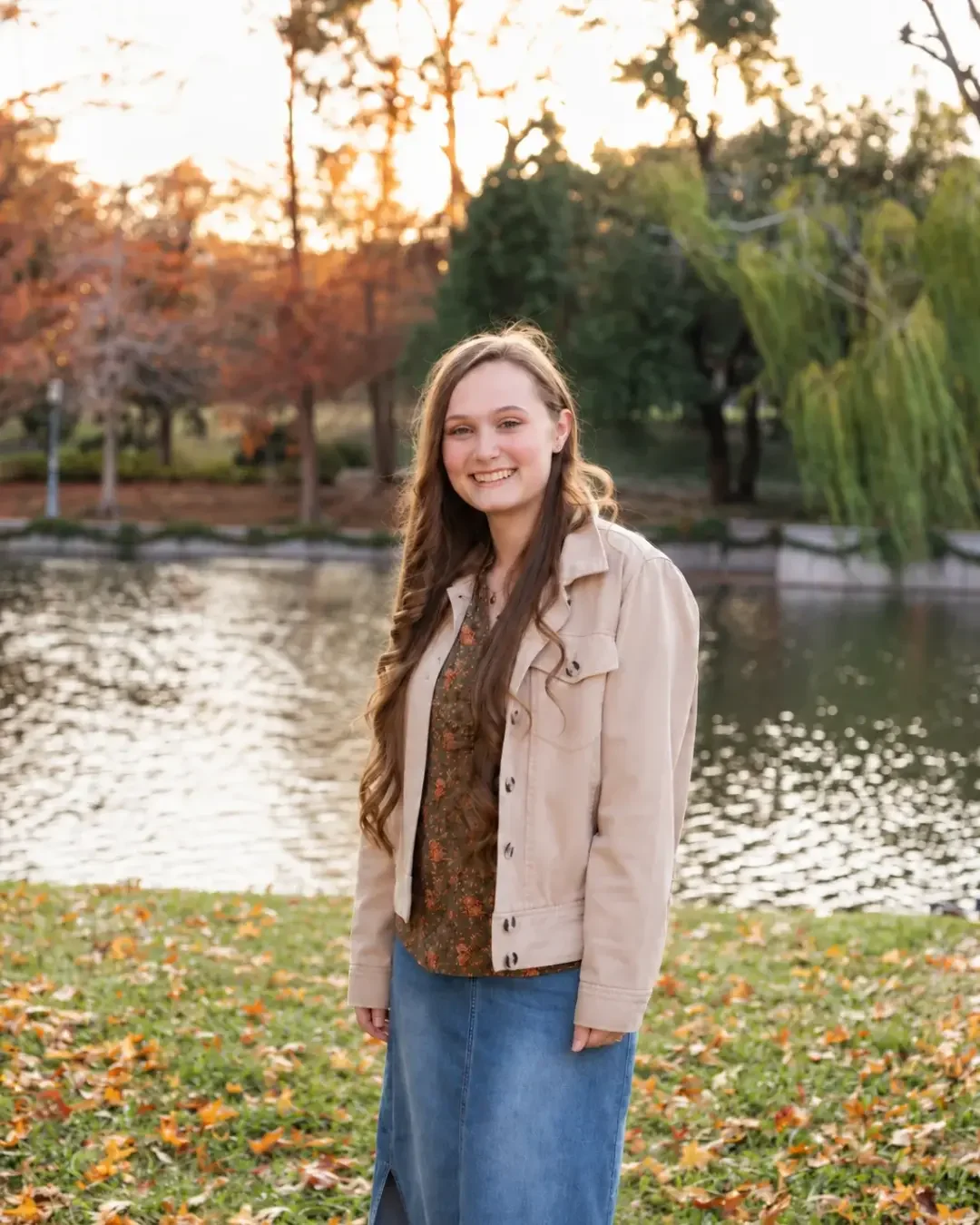
I'm Haiden Maples, a Texas Licensed Master Social Worker (LMSW), therapist practicing under clinical supervision, and yoga and mindfulness teacher with a professional focus on older adults and caregivers.
My work in aging services has given me experience with the ways mental health can intersect with health changes, caregiving, retirement, relationships, financial and practical concerns, and the systems people may need to navigate in later life. I also bring years of experience teaching yoga and mindfulness, including adapting practices for older adults with a wide range of abilities and health considerations.
As an educator, my goal is to make complex ideas understandable. I want participants to leave with information they can use, questions worth thinking about, and practical tools that respect the complexity of their lives.
Interested in working together?
If you’d like to learn more about my educational workshops and/or chair yoga classes, please book a free 15-minute consultation to ask any questions you may have, and explore whether working together may be a good fit.